Circles Of Support
PROJECT: The Trinity Centre for Ageing and the Life Course in Intellectual Disability is an international and multi-disciplinary research centre examining key issues in ageing and the life course, informing policy and debate at the national and local level.
CLIENT: Trinity Centre for Ageing and the Life Course in Intellectual Disability
What they needed
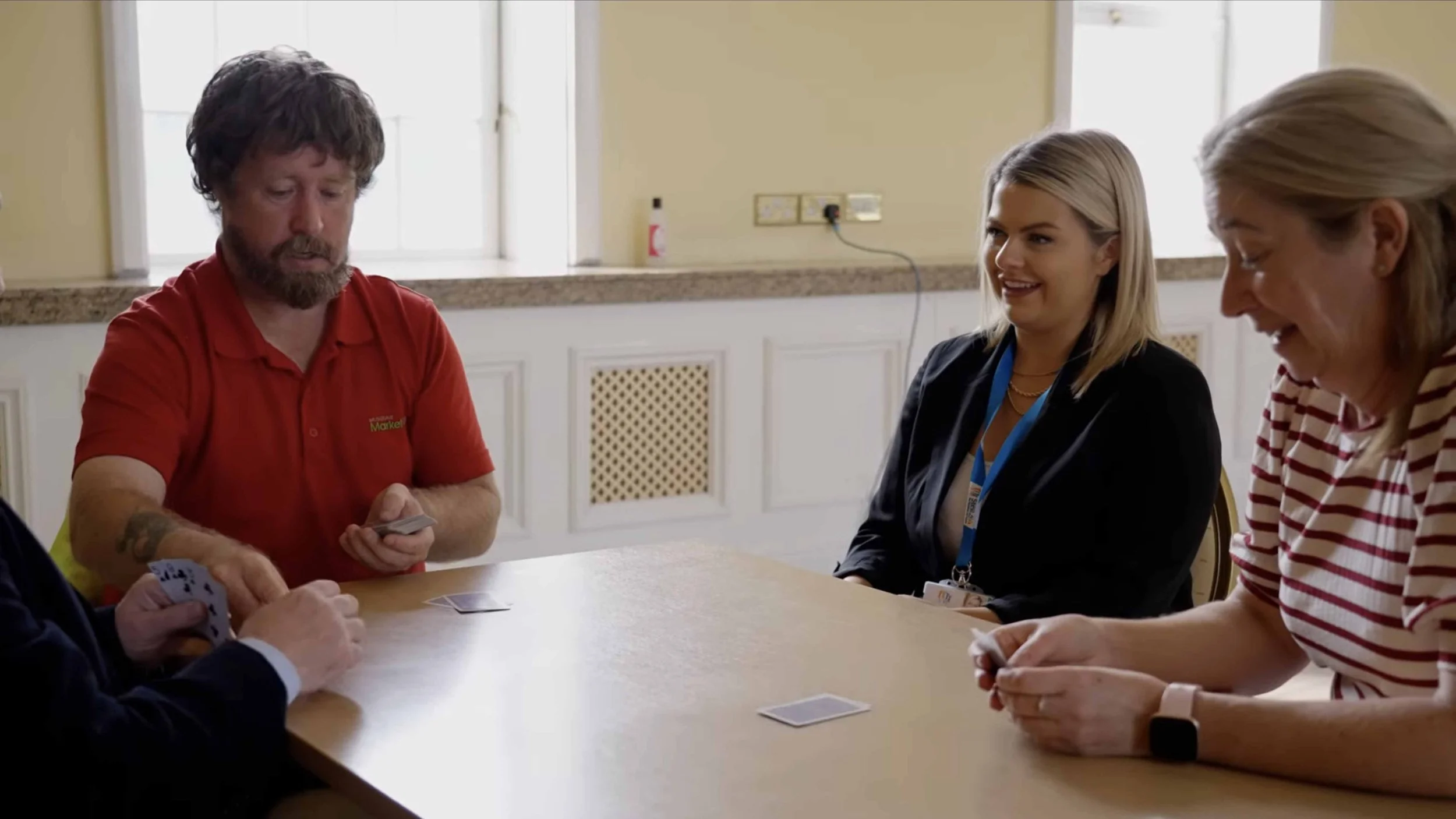
They wanted sensitive, thoughtful video work that could document their programmes across the country and communicate the impact of this work in an honest and human way, including projects that bring artists into hospice settings to create moments of connection and care.
What we did
We’ve had the privilege of working with the Irish Hospice Foundation for years, filming a wide range of projects nationwide. This has included documenting artists working alongside people in hospice environments, capturing moments of creativity, warmth, and support.
The experience has been profound. Meeting people for the first time and quickly finding ourselves in conversations about life, death, and loss is unlike any other kind of filming. We’re constantly surprised and inspired by people’s humour, resilience, and philosophical outlook in the face of end-of-life experiences, and it’s a rare privilege to be invited into those conversations and to help make them visible.
Over the years, we’ve found that we’ve become especially comfortable working in situations that can be emotionally difficult - spaces shaped by grief, tenderness, or loss. We’re able to come in gently, speak with people naturally, and create an atmosphere that feels human and warm rather than formal or intrusive.
Again and again, people tell us they enjoyed the experience of talking with us, even when the subject matter is deeply serious. It’s something we didn’t set out to specialise in, but we’ve unexpectedly discovered an ability to be present in those moments, and to help others feel at ease.
With the Irish Hospice Foundation, there’s often a kind of quiet understanding - they almost don’t need to explain the sensitivity of the setting, because they know we’re comfortable working that way. It’s something they’ve remarked on more than once: that we can step into these situations with care, respect, and genuine openness.